
Blog
Emergency Ambulance Services: What to Expect and How to Act in a Crisis

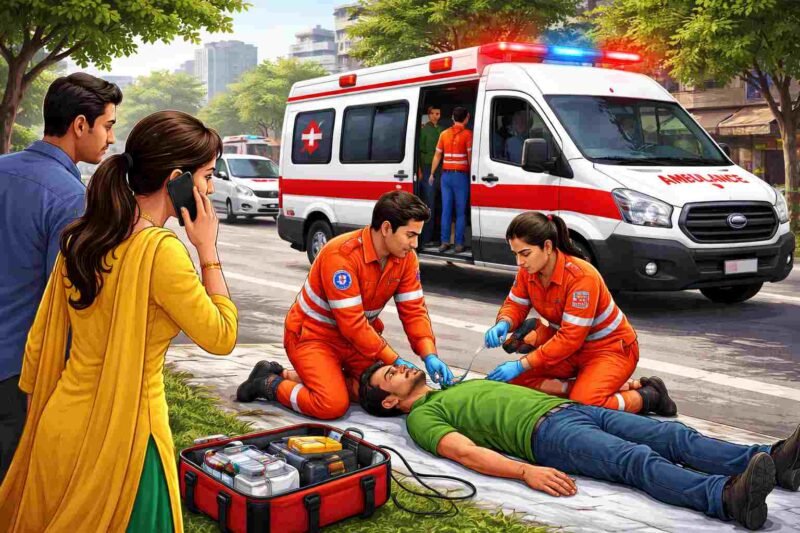
Medical emergencies may occur and are sudden without any warning, and this situation leaves the family a bit stressed and confused on where to turn or what to do next. Under these circumstances, fast decisions and instant healthcare can be a life-saving factor. Learning when to call on an emergency ambulance and how the system functions can be of help to act effectively and calmly in critical situations. It does not matter whether an emergency is related to a heart attack, a serious injury, difficulty in breathing, or impulsive collapse; any health protection and prevention of complications is impossible without an urgent intervention.
Marin Life Care Ambulance specializes in quick and dependable service in the case of emergency situations and makes sure patients can get timely medical care and safe transportation to medical institutions. This guide will make you aware of what to expect of the emergency services, and how to behave in a crisis without any fear.
What Is an Emergency Ambulance?
Emergency ambulance is a specialized medical vehicle used to address life threatening cases. Such ambulances have modern medical devices and are manned by qualified personnel who offer first aid treatment on the way to the hospital. They are mainly involved in stabilization and safe transportation of patients in the event of an emergency.
The modern emergency ambulance services are meant to attend to a broad spectrum of medical cases both minor and critical cases. These services are 24 hours a day and therefore one can always get assistance when required. Emergency teams are equipped to understand the condition of patients, treat them in case of emergency and coordinate with hospitals to avail smooth medical services.
Types of Emergency Ambulances
There are various ambulances, which are possible based on the medical condition of the patient:
- Basic Life Support (BLS)-Ambulance.
Offers vital medical care on minor ailments.
- State-of-the-Art Life-Support (ALS) Ambulance.
With the most modern life-saving devices in case of a very serious emergency.
- ICU Ambulance
It is intended to be used with critically ill patients who need a high level of monitoring.
- Ventilator Ambulance
Assists patients who have difficulty breathing or breathing failure.
Such special vehicles are used to make sure that patients are provided with proper ambulance care according to their medical requirements.
Also Read : Best Ambulance Services in Delhi: Types, Benefits & How to Choose the Right One
When Should You Call an Emergency Ambulance?
It is important to identify the symptoms of a medical emergency to be able to intervene. The refusal to seek medical assistance may lead to more health risks and decreased chances of survival. A rapid ambulance response should be called immediately in case of the following symptoms.
Warning Signs That Require Immediate Medical Attention
- Sharp chest pains or pressure.
- The inability to breathe or dyspnea.
- Loss of consciousness
- Severe bleeding or injury
- Symptoms of stroke which include weakness or slurred speech.
- Convulsions or fainting spells.
- Serious accidents or trauma
- Severe allergic reactions
These symptoms have signs of a possibly fatal condition and they need immediate medical support. Qualified emergency medical services will be able to evaluate the situation and provide the required treatment during transportation quite fast.
Whenever families seek emergency assistance, they seek the best ambulance service in Delhi that could respond rapidly and provide medical care in case of an emergency.
What Happens After You Call an Emergency Ambulance?
Some individuals experience anxiety following the call to the emergency services due to the lack of understanding of the events that follow the call. Knowledge of the process will assist in the reduction of panic and establishing better coordination in the case of emergencies.
Step 1: Call Reception and Dispatch
After calling the ambulance, a trained dispatcher takes the call and collects the necessary information including:
- Location of the emergency
- Characteristics of the medical issue.
- Patient’s age and condition
- Contact number
Upon this data the dispatcher dispatches the nearest ambulance to your location. This prompt reaction will see to it that patients get attention in time.
Step 2: On-site Medical Examination
Upon arrival of the ambulance, the medical practitioners are quick to examine the conditions of the patient and give them the treatment that they need. This may include:
- Checking vital signs
- Providing oxygen support
- Controlling bleeding
- Performing CPR if required
- Stabilizing injuries
These measures are vital ingredients of professional ambulance practice, which restrain patients throughout transportation.
Step 3: Transportation to Hospital (Safety)
Once the patient has been stabilized, the medical staff gets him safe to the closest hospital that would suit him. The constant observation would make sure that the patient is not in a bad state during the trip.
Critical patients might need special services like the best ICU ambulance service in Delhi which will offer advanced monitoring and life-saving devices during their travels.
How to Act in a Medical Crisis
Being able to act in case of an emergency will help a lot to achieve better patient outcomes. Remaining composed and making proper steps can bring efficiency to the emergency teams.
- Critical Emergency Response Measures.
- Immediately call an urgent medical transport.
- Be composed and give proper information.
- Make the patient calm and motionless.
- Clear the way to ambulance arrival.
- Take the instructions of medical professionals.
- Notify the family members of the situation.
These are rather basic steps that can assist emergency responders to provide more effective and quicker treatment.
Things You Should Avoid During an Emergency
- Do not delay calling for help
- Do not transfer the patient without a reason.
- Do not feed, do not give drink to an unconscious human being.
- Never leave the patient alone.
- Do not get panicked and cause mess.
Emergency ambulance services require proper response and coordination in order to be successful.
The Importance of Fast Response Time in Emergencies
One of the most important considerations in emergency care is response time. The initial few minutes following an emergency are also termed as the golden minutes by medical professionals where timely treatment can avoid extreme issues.
Fast response from reliable emergency medical services ensures:
- Emergency treatment.
- Less chance of complications.
- Faster recovery
- Improved survival rates
- Better patient outcomes
Qualified caregivers such as Marin Life Care Ambulance are available in time to ensure patients get quality services promptly.
Preparing Your Family for Medical Emergencies
The most important thing to deal with an emergency is preparation. Picture a clear plan is able to decrease panic and guarantee the rapid response to critical situations.
Emergency Preparedness Checklist
- Keep emergency contacts in your cell phone.
- Store medical records in a convenient place.
- Have a simple first aid kit.
- Identify nearby hospitals
- Train the family on emergency measures.
- Learn basic first aid and CPR
Preparedness enables families to act fast and enhances efficiency of ambulance care towards emergencies.
Quick Action Can Save Lives During Medical Emergencies
Medical emergencies require immediate action and professional medical assistance. Knowing when to call an emergency ambulance, recognizing warning signs, and responding calmly can save lives and reduce health risks. Reliable emergency ambulance services provide fast response, advanced medical equipment, and trained professionals who ensure safe patient transportation during critical situations.If you ever face a sudden medical emergency and need immediate assistance, contact us for prompt and dependable support. Marin Life Care Ambulance remains committed to delivering professional medical care, rapid response, and reliable emergency transportation to protect patients and support families when every second counts.
FAQ's
Provide your exact location, patient’s condition, and type of emergency. Also share a contact number so the ambulance team can reach you quickly.
Yes, usually one family member or caregiver can accompany the patient in the ambulance, depending on space and safety guidelines. This allows the patient to receive emotional support while medical staff provide necessary care during transport.
Ambulance arrival time usually ranges from 10 to 20 minutes, depending on traffic, distance, and location. Emergency teams dispatch the nearest available ambulance to ensure quick medical assistance and timely patient transport during critical situations.
If multiple emergencies occur at the same time, calls are prioritized based on the severity of each case. Emergency control teams quickly dispatch available ambulances and coordinate additional support to ensure all patients receive timely medical attention.